
Purchase agreements incorporate Incoterms, delineating distinct responsibilities for each party involved in a transaction. These responsibilities can encompass aspects such as transportation expenses, insurance coverage, loading and unloading risks, and the transfer of ownership. Consequently, it is paramount that both buyers and sellers possess a comprehensive understanding of these terms before contractually committing. However, even with thorough comprehension, the most advantageous contract terms can fluctuate depending on the specifics of each situation. Both buyers and sellers must evaluate whether CIF or CFR, CIP or CPT, among others, is more suitable on a case-by-case basis.
Given the frequent inquiries regarding the distinctions between CIF and CFR, let's delve into a more detailed exploration.
Understanding Incoterms
As previously mentioned, Incoterms serve to define the responsibilities of both buyers and suppliers. The International Chamber of Commerce (ICC) initially published them in 2010 – hence the designation "Incoterms 2010." These terms underwent revision in 2013 and are slated for another update in 2020.
Incoterms are categorized as follows:
“C” Terms: CFR, CIF, CIP, CPT
“D” Terms: DAP, DAT, DDP, DDU, DAF, DES
“E” Terms: EX-WORKS
“F” Terms: FCA, FAS, FOB
Considering the unique implications each Incoterm presents, a thorough understanding is essential for both parties. Unforeseen consequences or obscured charges and fees may arise from differing Incoterms. Inquiries regarding the suitability of CIF or CFR necessitate diligent research.
Generally speaking, a primary distinction among many Incoterms lies in the precise moment of risk transfer. Furthermore, additional expenses and obligations can also vary somewhat throughout the transportation process, spanning from the supplier's facility to shipping procedures and ultimately, the buyer's warehouse.
CIF – Cost, Insurance, and Freight Explained
CIF, which stands for Cost, Insurance, and Freight, essentially addresses three key elements: freight costs, risk transfer, and insurance coverage.
1. Freight Cost Responsibilities
Under CIF, the obligation for freight costs rests with the seller. Specifically, the seller is responsible for arranging the delivery of goods to the designated port outlined in the contract and covering all associated expenses.
2. Risk Transfer Point
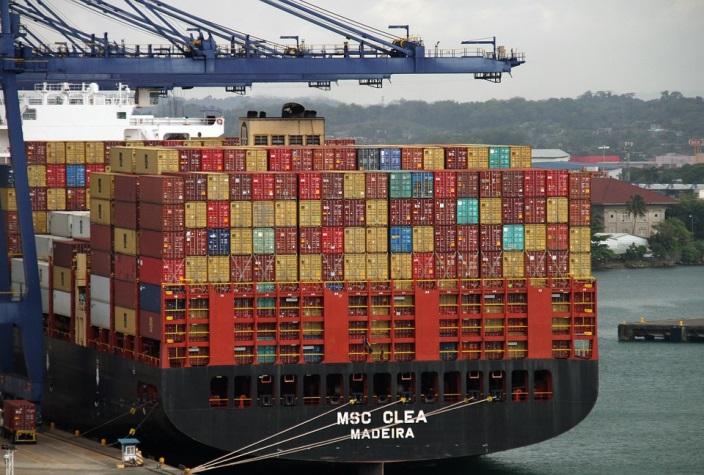
However, potential risks shift from the seller to the buyer early in the shipping process; specifically, once the goods are safely loaded onto the shipping vessel. These risks encompass potential damage to or loss of the shipment.
3. Insurance Obligations
Regarding insurance, the seller is obligated to secure coverage. It is important to note that this insurance is defined as the ICC's minimum coverage amount.
Consequently, should the buyer desire more extensive insurance protection, whether due to the cargo's value or other considerations, supplementary arrangements are necessary beyond the basic CIF coverage. This necessitates either an explicit agreement with the seller, documented within the transaction contract, or the buyer independently procuring additional insurance coverage.
To summarize the CIF framework:
The seller's financial responsibilities conclude at the export port, encompassing export customs, freight charges, and insurance premiums.
The buyer's financial responsibilities commence at the destination port, including import customs duties and transportation to their designated warehouse or final destination.
The transfer of risk occurs immediately upon the goods being loaded onto the export vessel.
Any supplementary insurance requirements or other stipulations must be explicitly agreed upon beforehand.
CFR – Cost and Freight Explained
CFR, which denotes Cost and Freight, mirrors CIF by addressing freight costs, risk transfer, and insurance considerations.
1. Freight Cost Responsibilities
Under CFR, the seller retains responsibility for freight costs. Thus, the seller is obligated to arrange and pay for the transportation of goods to the destination port specified in the contract.
2. Risk Transfer Point
Similar to CIF, risks are transferred from the seller to the buyer early in the process – specifically, when the goods cross the ship's rail of the shipping company at the port of shipment. These risks include potential loss, damage, or destruction of the goods.
3. Insurance Obligations
However, while both terms align regarding freight cost allocation and risk transfer timing, CFR diverges from CIF in terms of insurance responsibilities. Under CFR, the seller is not obligated to provide marine insurance.
The seller bears no liability for damages once the goods are loaded onto the export vessel; instead, insurance expenses directly impact the buyer's inventory costs. Therefore, insurance constitutes the primary factor in determining the suitability of CIF or CFR for either party.

To consolidate the CFR framework:
The seller's financial responsibilities conclude at the export port, encompassing export customs procedures and freight charges.
The buyer's financial responsibilities commence at the destination port, including insurance procurement, import customs clearance, and transportation to the buyer's warehouse or designated location.
The transfer of risk occurs immediately upon the goods being loaded onto the export vessel.
The buyer assumes responsibility for all insurance arrangements, which must be secured in advance. Any arrangements involving the seller must be explicitly stipulated within the contract terms.
CIF vs. CFR: Which Term is More Advantageous?
Having examined both terms, the key distinction lies in insurance coverage. In essence, the seller is responsible for insuring the goods under CIF, whereas this responsibility shifts to the buyer under CFR.
Generally, CIF presents a safer and more efficient option for buyers by mitigating insurance arrangement obligations. Additionally, sellers may find CIF advantageous, as offering this premium can enhance their appeal to potential buyers.
However, CFR can also be preferable for either party. Sellers may opt against offering CIF due to factors such as risk assessment. Conversely, buyers may favor CFR if they prefer to utilize their own insurance provider rather than relying on the seller's. A prominent illustration of this arises in the relocation sector, where moving companies negotiate insurance and coverage on a contract-specific basis. Similarly, customers retain the option to explore third-party insurance alternatives.

Finally, when considering alternative Incoterms like Free on Board (FOB), it is crucial to recognize that the primary distinction between FOB and both CIF and CFR lies neither in insurance coverage nor the point of risk transfer. While risk transfer still occurs upon loading the goods onto the shipping vessel, the key difference lies in freight costs, which become the buyer's responsibility under FOB. Given that FOB falls under the "F" category, unlike CIF and CFR which belong to the "C" category, direct comparisons may prove challenging.
Conclusion
Ultimately, there is no definitively superior Incoterm between CIF and CFR. While CIF may generally be favored due to the inclusion of insurance, instances exist where either party may find CFR more suitable.
Therefore, when evaluating CIF versus CFR, whether as a seller or a buyer, it is prudent to assess the unique characteristics of each individual shipment contract. While CIF may initially appear more appealing, CFR remains a viable option.