

Air freight companies employ a combination of dimensional and actual weights to determine transportation costs. To understand how these calculations work, this article provides a detailed explanation of air freight volumetric weight calculation, also known as dimensional weight. Furthermore, you'll discover how transportation companies utilize these factors to establish their fees and effectively manage international business transactions.

Gross Weight Explained
A common method transportation companies use when determining air freight charges involves calculating the gross weight. This measurement encompasses all packaging materials, the weight of the items within the parcel, and any protective cushioning used during transit. Therefore, calculating the air cargo load depends on several variables, including the type of packaging and the overall weight of the shipment.
Should you opt to palletize your parcels, the weight of the pallets will be included in the gross weight calculation. Accurately determining gross weight is, therefore, crucial when calculating the overall air freight volume and associated costs.
To potentially reduce the gross weight, consider using lighter and less bulky packaging materials, particularly when sending larger shipments. However, ensure that these adjustments do not compromise the safety and security of the items being transported.
If the parcel necessitates specialized packaging due to safety or security requirements, adhere to the stipulated regulations and budget for a higher air freight fee. For non-sensitive packages, consider more economical and lighter packaging options, such as shrink wrap, lightweight cardboard, and other similar materials. When the gross weight interacts with other variables in the volumetric weight equation, costs can increase significantly.
It is straightforward to determine the gross weight of a parcel; simply place the packaged item on a scale. The resulting measurement represents the gross weight, which is then used to calculate shipping expenses.
While shipping costs involve other considerations, for the initial calculation, weighing the parcel in either metric or imperial units is necessary. If imperial units are used, conversion to metric units is required if the air freight company uses the metric system. At this stage, the calculations are relatively simple, but more detailed computations follow.
Calculating Volumetric Weight: A Detailed Approach
The concept of volumetric weight introduces more complexity, as it is a key equation within most air cargo rate calculation systems. Air freight companies use volumetric weight to assess the space a parcel occupies relative to its actual weight, influencing the overall charge.
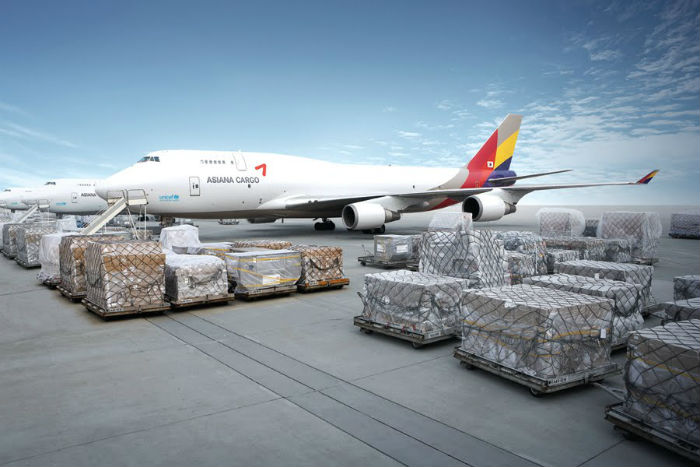
These companies have specific pricing structures for each volumetric kilogram, which is determined by calculating the volume of the parcel. This volume is initially expressed in cubic inches or centimeters, depending on the measurement system used. These cubic units must then be converted into cubic meters.
Once the volume calculation is complete, it is multiplied by the air cubic conversion factor. For example, consider a parcel with dimensions of 40.16 inches in length, 38.58 inches in width, and 41.73 inches in height. The volume is calculated as follows:
Volume = length x width x height
= 40.16" x 38.58" x 41.73"
= 64663.45 cubic inches
This initial result is not the final air cargo volume. Further steps are required. The imperial measurement must be converted to metric units, specifically cubic meters, to determine the actual air cargo volume.
1 cubic meter = 61024 cubic inches
Therefore, 64663.45 cubic inches is equivalent to approximately 1.06 cubic meters. To obtain the final volumetric weight, multiply the cubic meters by the air cubic conversion factor, which is typically 167. The equation is as follows:
Air cubic conversion factor = 167
Volumetric weight = CBM x 167
= 1.06 cbm x 167
= 177.02 kgs
In this example, the volumetric weight of the parcel is approximately 177 kgs. This figure is a crucial element in calculating overall shipping expenses. To accurately determine the volumetric weight, follow these steps:
1. Measure the parcel's dimensions (length, width, and height).
2. Calculate the volume by multiplying the dimensions (length x width x height).
3. If measurements are in imperial units, convert to metric units (1 cubic meter = 61024 cubic inches).
4. Finalize the volumetric weight by multiplying the parcel volume in cubic meters by the air cubic conversion factor (volumetric weight = cubic meters x 167).
The result of this calculation is the dimensional weight, which is used to determine shipping costs. This weight, expressed in kilograms, can then be multiplied by the price per kilogram. However, this is not the final step, as further comparisons are necessary to determine the ultimate shipping cost.
Calculating Chargeable Weight: The Decisive Factor
After the air cargo rates calculator completes all necessary calculations, it compares both the gross weight and the volumetric weight. These two figures determine the chargeable weight, which dictates the final cost applied to the parcel.
Fundamentally, an air freight cost calculator identifies the greater of the two weights to determine the air freight fees. Each company maintains different pricing structures for each kilogram or pound, and the air freight calculation tool incorporates all relevant variables.
If an air freight cost calculator is unavailable, request the rate per kilogram or pound from company representatives. Then, multiply this rate by the higher value between the gross weight and the volumetric weight. The resulting figure represents the shipping cost before taxes and customs duties.
Calculating the chargeable weight is a critical step in estimating the overall shipping cost. It is also important to consult with customs to understand potential tax duties.
Handling Irregularly Shaped Items
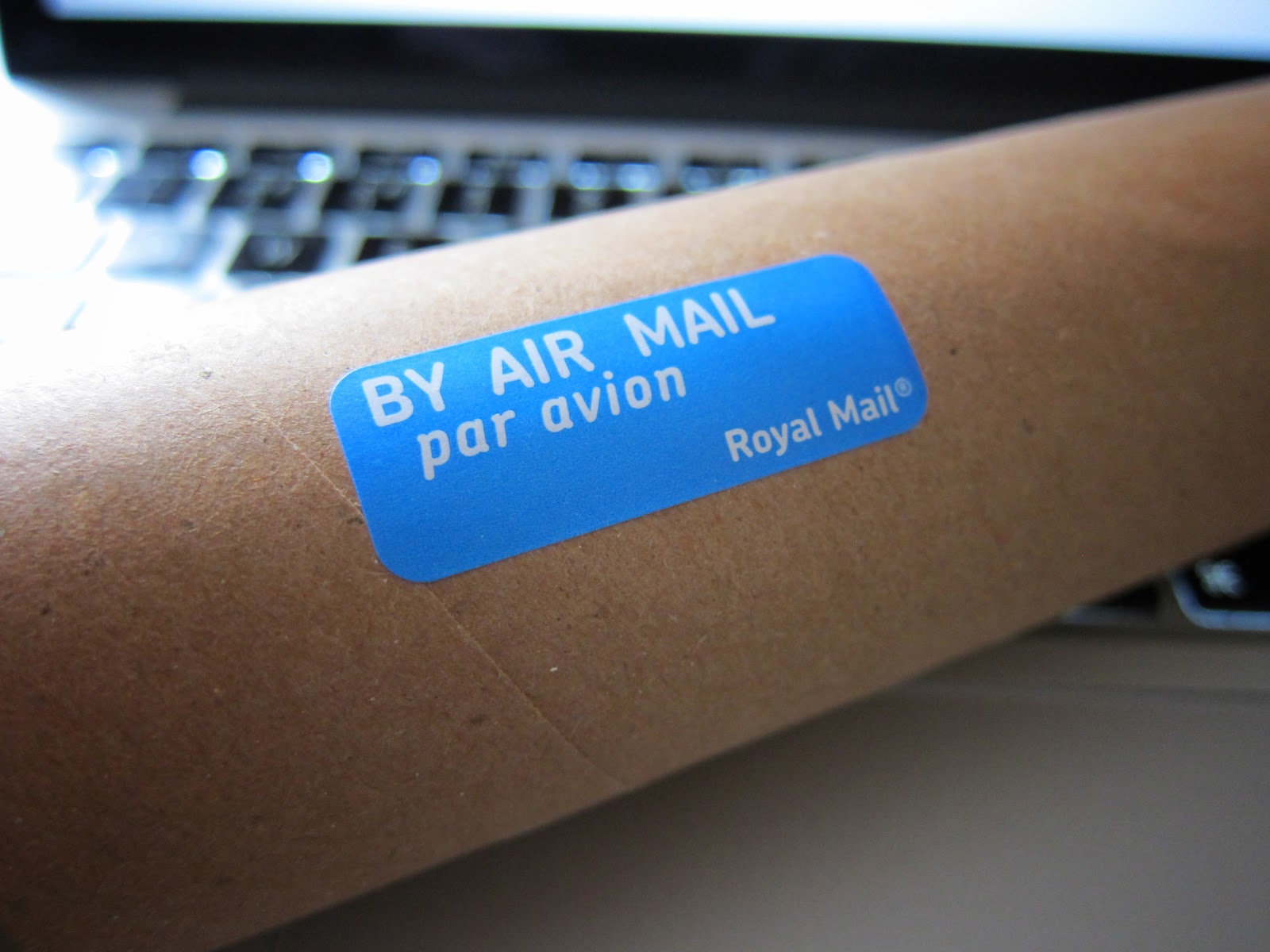
Calculating the volume of items with irregular shapes, such as guitar bags, car tires, or cylindrical objects, can seem challenging. However, air freight simplifies this process. Measure the longest horizontal extension to determine the length.
Similarly, measure the widest horizontal extension to determine the width. To calculate the height, measure the vertical distance from the highest point to the base. Use these dimensions to compute the volume using the equations described earlier, and then calculate the dimensional weight.
Compare the dimensional weight with the gross weight to identify the greater value. Use this greater value to calculate the shipping costs by multiplying the volumetric weight or gross weight (whichever is greater) by the cost per kilogram or pound. The result is the amount due for air cargo, excluding custom duties and taxes.
In Conclusion
As demonstrated, calculating dimensional weight is straightforward and involves measuring the parcel and using these measurements to compute the volume. The volumetric weight is then used alongside the gross weight to calculate actual shipping costs. Even with irregularly shaped items, the underlying principles and equations remain consistent. Therefore, do not be intimidated by the calculations required to determine volumetric weight, as it is a key factor in calculating chargeable weight and, consequently, shipping costs.